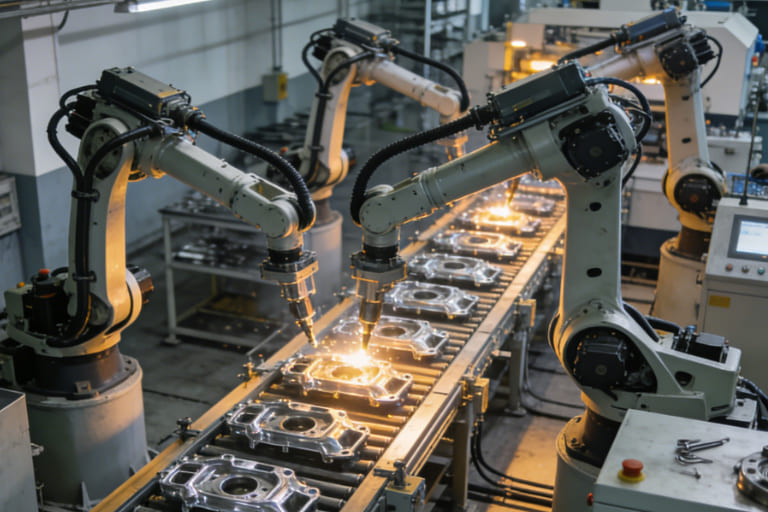
As a production technology supervisor at an auto parts manufacturing plant, the metering accuracy of lubricating oil injection for engine blocks had long plagued me. The production line requires precise injection of synthetic lubricating oil into each cylinder block, with a single-unit injection error ≤±1%, while adapting to 24/7 continuous operation and tolerating trace impurities in the oil.
The previous “time-pressure injection method” had obvious drawbacks: affected by temperature fluctuations (5-35℃) and pipeline resistance changes, the injection error reached as high as ±5%, resulting in both lubricating oil waste and the risk of component wear. The original impeller flow meter was prone to jamming by metal debris ≤50μm, requiring shutdowns for cleaning twice a week, with an equipment availability rate of only 92%. Additionally, the lack of real-time data recording made quality issue tracing extremely difficult.
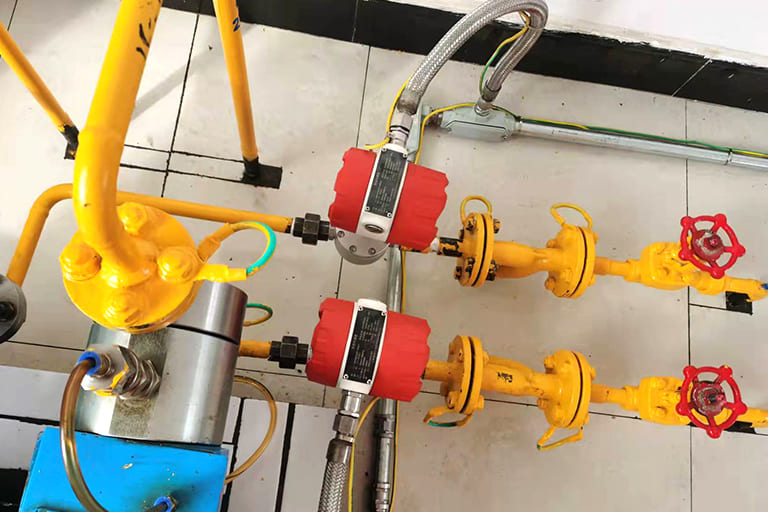
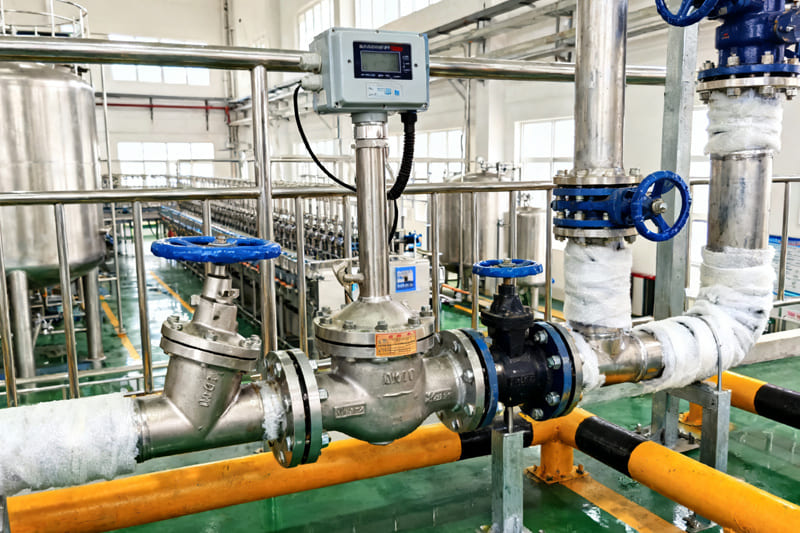
After extensive research, we selected the NKGF positive displacement stainless steel gear flow meter. Its precision of ±0.5% FS and turndown ratio of 1:100 fully met production requirements. The dual-gear structure offers strong impurity resistance, the stainless steel 316L housing paired with ceramic gears ensures corrosion resistance, and it can be integrated with the PLC system seamlessly.
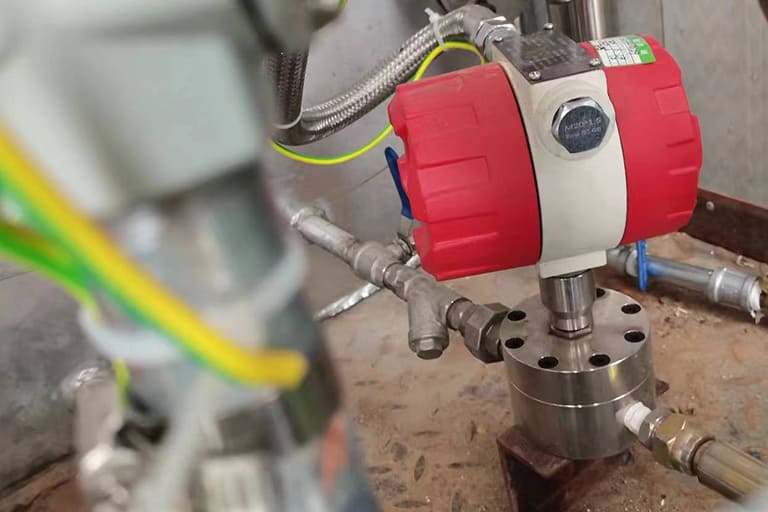
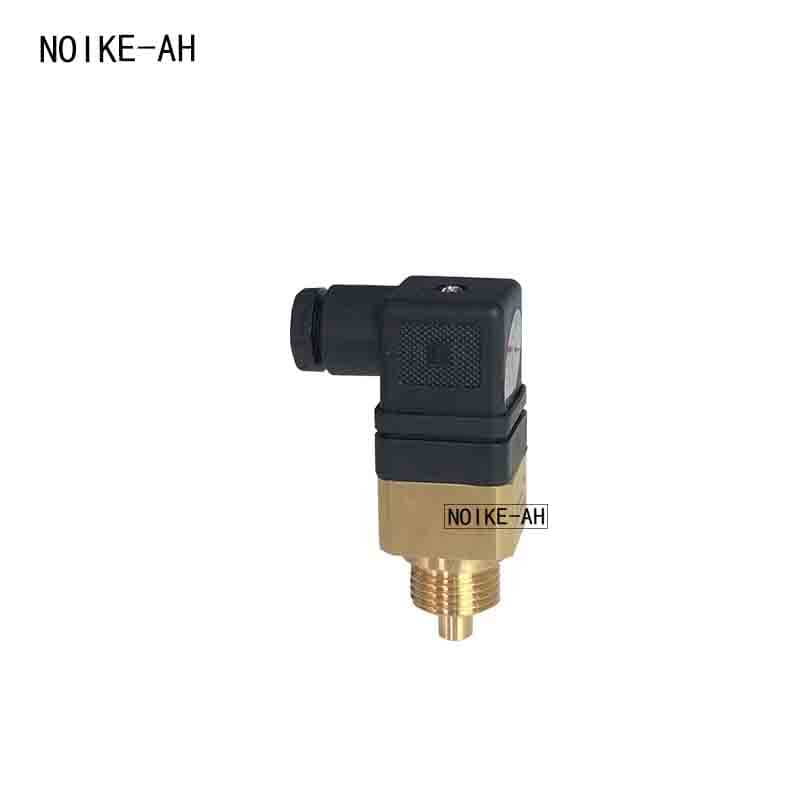
We optimized the system integration: installing the flow meter close to the injection port with straight pipe sections ≥5 times the pipe diameter at the front and rear; equipping it with a PT100 temperature sensor to automatically correct for viscosity changes; adding an 80-mesh filter at the front end to trap impurities; and integrating it with the MES system to enable data tracing.
The results after implementation were remarkable: the injection error was controlled within ±0.8%, saving approximately 120,000 yuan annually; the equipment operated continuously for 6 months without failures, increasing the availability rate to 98.5%; and the time to locate quality issues was reduced from 2 hours to 10 minutes. Relying on its stable positive displacement metering principle, this gear flow meter perfectly solved the metering challenges in high-viscosity, impurity-containing working conditions, becoming a core equipment on the production line.