Our Story
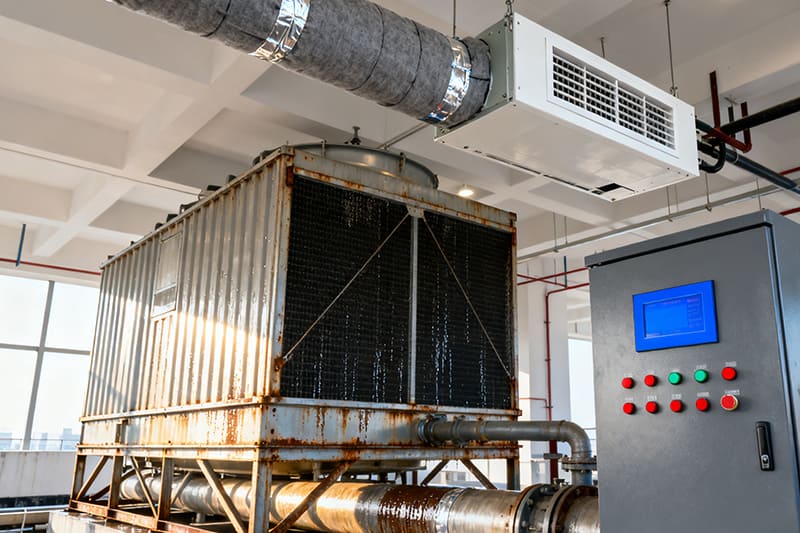
I’m Lin Feng, a facility manager for a large commercial complex. Last winter, our building’s central air conditioning system experienced frequent malfunctions, with significant temperature fluctuations in multiple zones, surging energy consumption, and numerous tenant complaints. After troubleshooting, we identified the root cause: unstable cooling water flow, which reduced heat exchange efficiency, caused the units to frequently cycle on and off, and increased energy consumption by nearly 30%.
The core issue was that the old mechanical flow switches couldn’t accurately monitor low-flow cooling water, especially under variable loads. Their slow response time made it impossible to adjust pump operations in a timely manner. We urgently needed a solution that could monitor in real time and respond quickly.
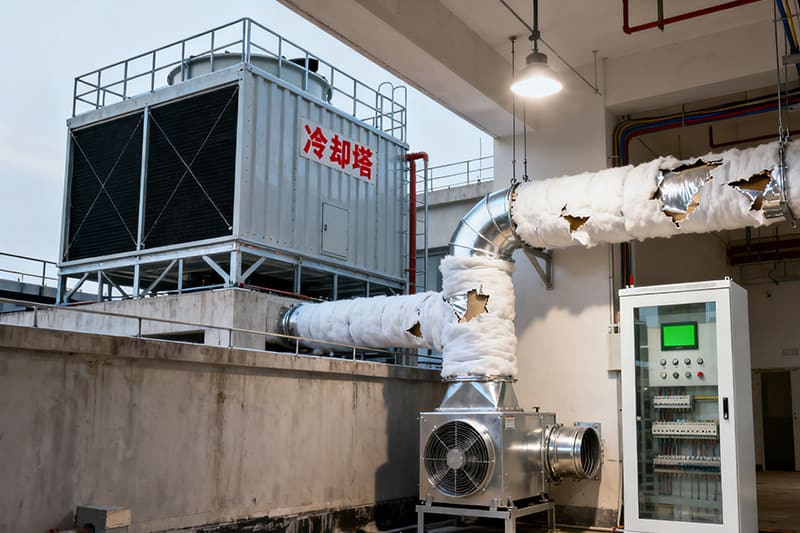
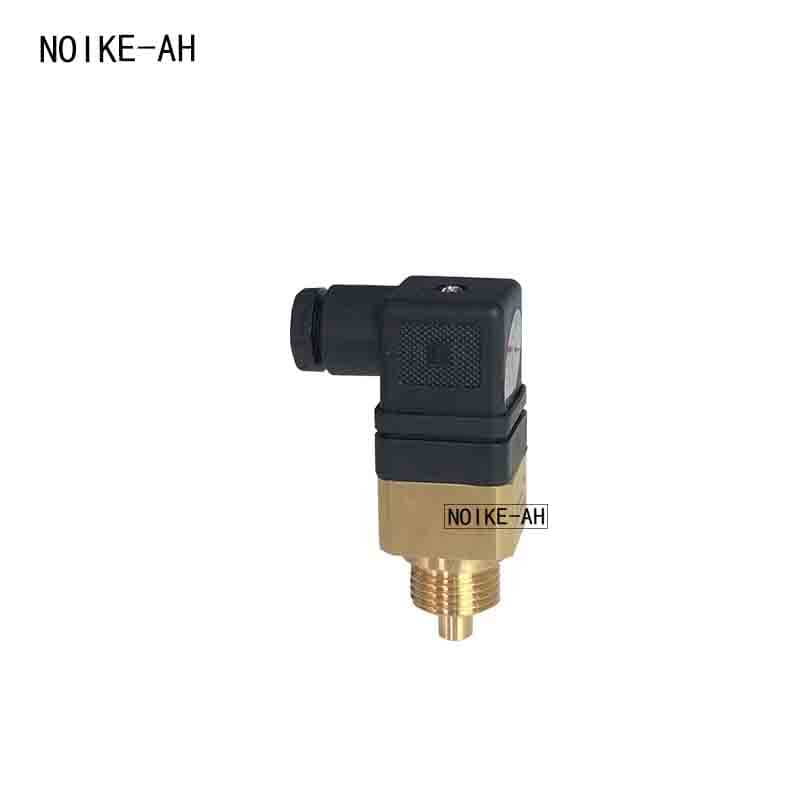
At the beginning of this year, we adopted a thermal conductivity flow switch. This device uses heating and sensing modules in its probe to detect flow changes based on the principle of heat being carried away by the flowing medium. When the cooling water flow drops below the set threshold, it immediately triggers an alarm and links to the control system to adjust the pump speed, ensuring stable flow.
The results were immediate. The system could now monitor flow in real time, preventing the risk of unit dry firing due to insufficient flow and extending equipment lifespan. By dynamically adjusting pump operations, energy consumption was reduced by 25%, saving approximately 150,000 yuan in annual electricity costs. Tenant complaints decreased significantly, and the building’s comfort level improved noticeably.
With its high sensitivity and fast response, the thermal conductivity flow switch addresses the pain points of flow monitoring in HVAC systems, delivering substantial energy savings and equipment protection. Today, it has become the “smart guardian” of our system, making management easier and more efficient.
More images