Our Story
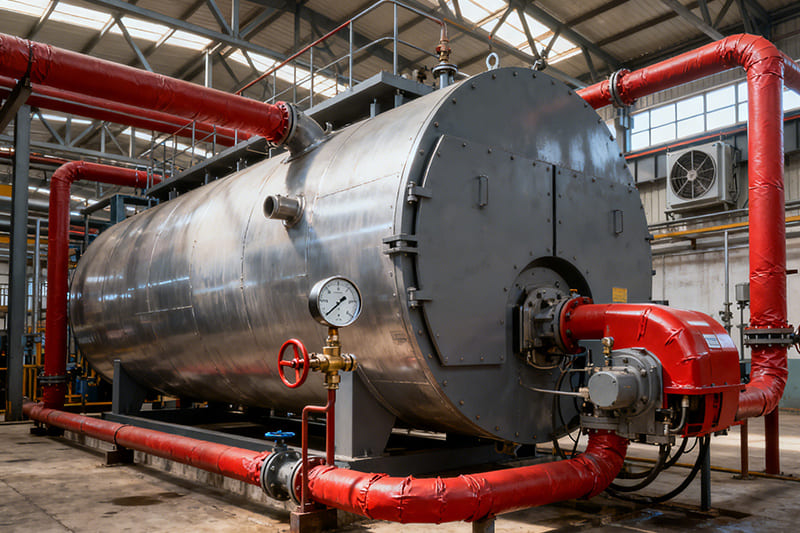
As an experienced maintenance worker in a boiler plant, I’ve encountered numerous emergency shutdowns caused by flow instability. Last summer, the cooling system of Boiler No. 1 nearly led to a major accident. During a routine inspection, I noticed abnormal fluctuations in the cooling water flow, but the DCS screen showed everything was normal. Just half an hour later, the boiler tripped due to overheating, triggering an MFT (Master Fuel Trip) and forcing a full plant shutdown for repairs. The investigation revealed that the traditional electromagnetic flow meter had signal drift in high-temperature environments, causing the system to misjudge the flow as sufficient.
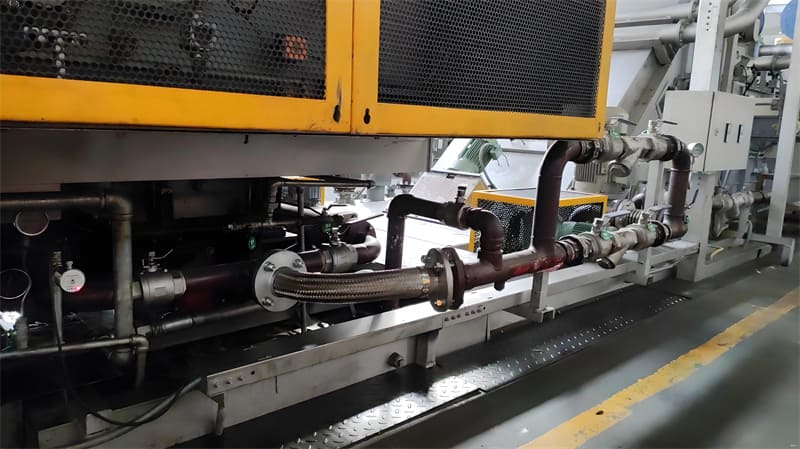
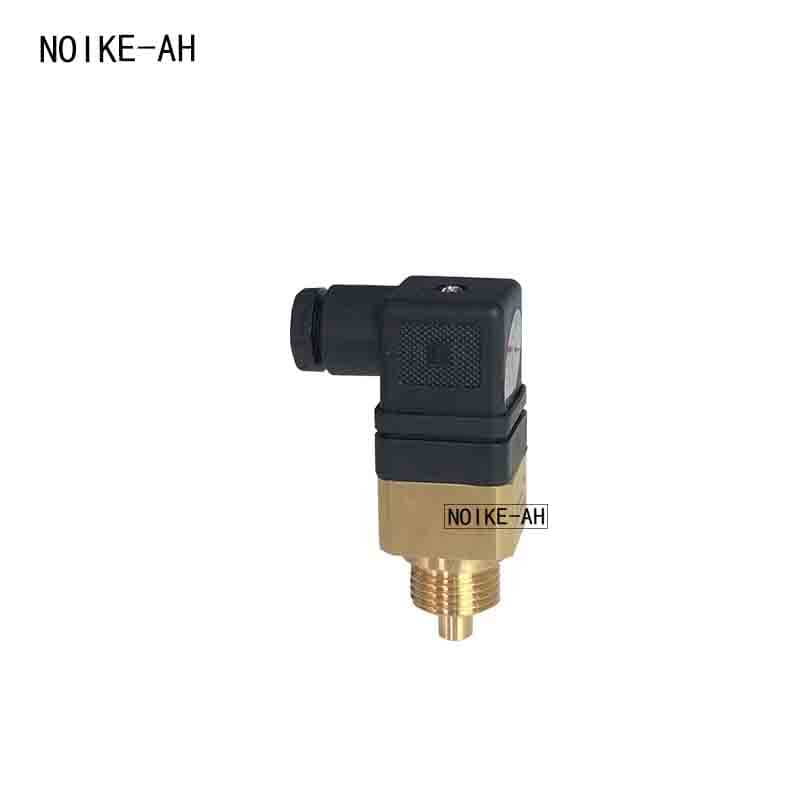
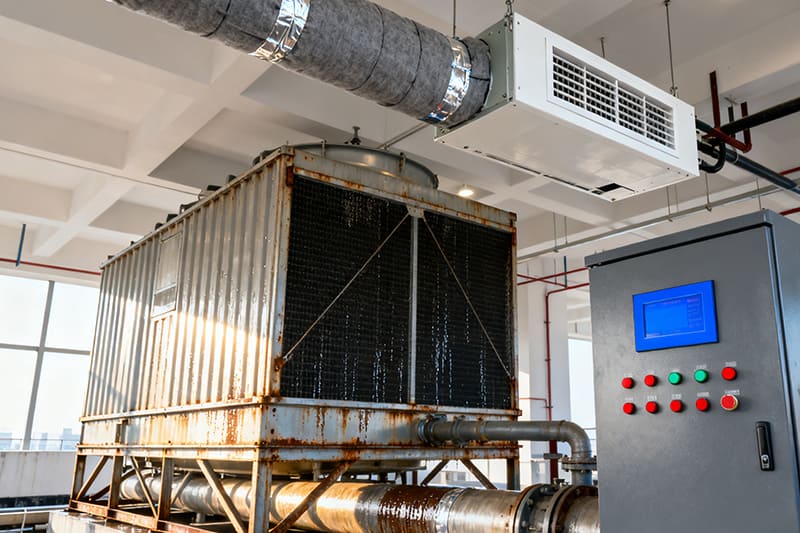
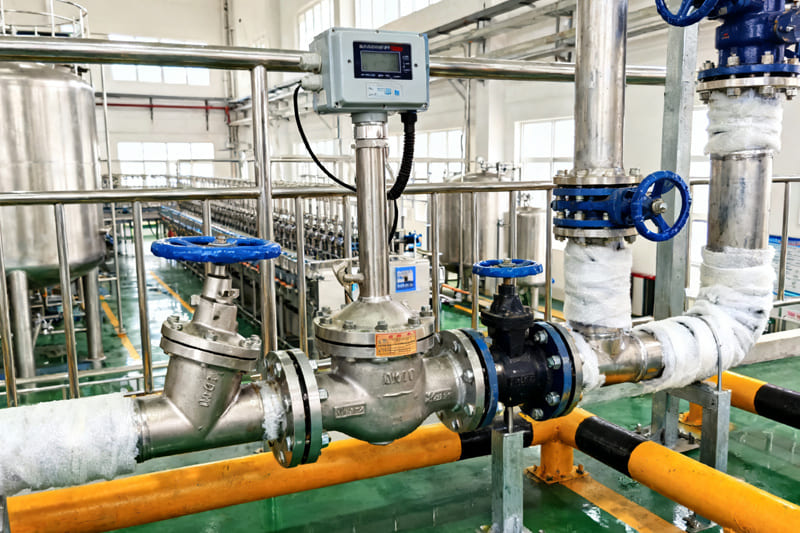
After this incident, we upgraded our monitoring system. We installed a mechanical flow switch in the cooling water circulation line. When the flow rate drops below the threshold, the internal magnetic core directly activates a micro switch, cutting off the main power and starting the backup pump. It acts like a “goalkeeper,” operating stably without external power, even in steam-filled environments.
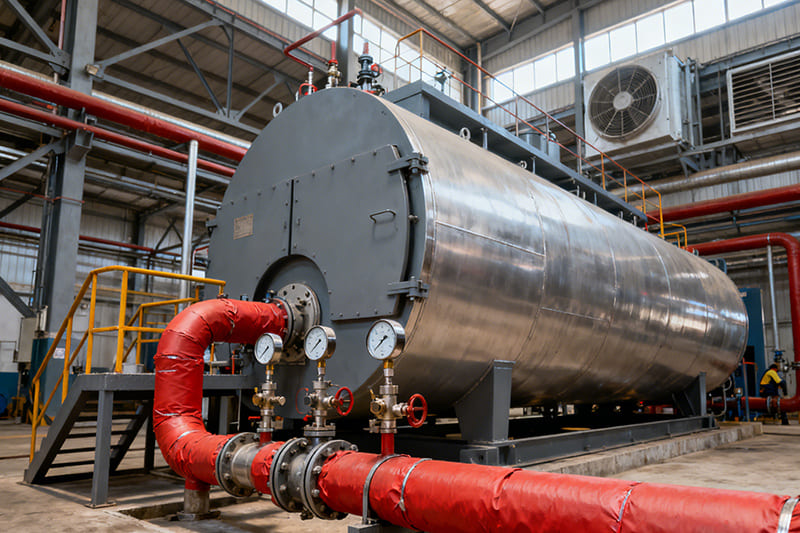
Three months later, a similar issue occurred in the lubrication system of Boiler No. 2. The rolling mill bearings made unusual noises due to insufficient oil supply, but the analog transmitter still showed “normal.” After installing the flow switch, it immediately detected the sudden drop in flow and triggered a shutdown, preventing bearing damage.
The biggest advantage of the mechanical design is its immunity to interference. Last winter, a power grid fluctuation caused all electronic devices in the plant to fail, but these “iron blocks” kept working reliably. Now, all 12 boilers in the plant are equipped with flow switches in their cooling and lubrication systems. Maintenance costs have been reduced by 60%, and there have been no more unplanned shutdowns.