The Story of the Water Meter: The Smart Guardian of the Waterworks‌

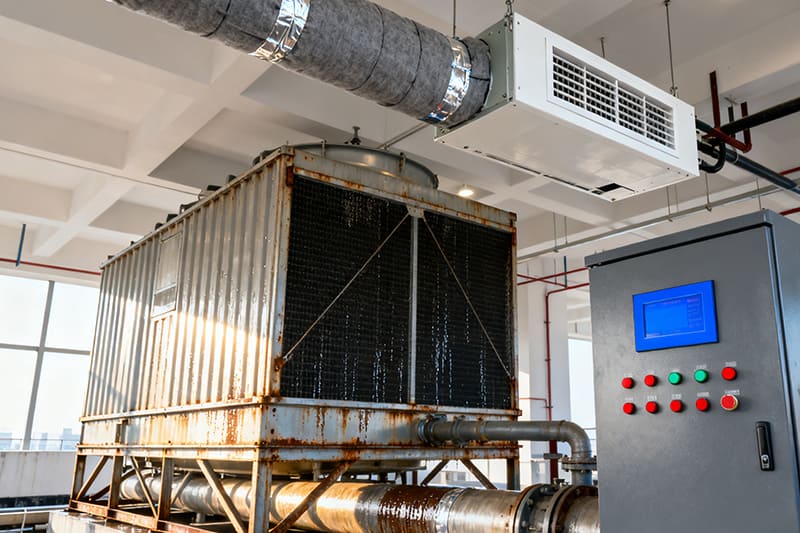
I'm Lin Feng, a facility manager for a large commercial complex. Last winter, our building's central air conditioning system experienced frequent malfunctions, with significant temperature fluctuations in multiple zones, surging energy consumption, and numerous tenant complaints. After troubleshooting, we identified the root cause: unstable cooling water flow, which reduced heat exchange efficiency, caused the units to frequently cycle on and off, and increased energy consumption by nearly 30%.

The core issue was that the old mechanical flow switches couldn't accurately monitor low-flow cooling water, especially under variable loads. Their slow response time made it impossible to adjust pump operations in a timely manner. We urgently needed a solution that could monitor in real time and respond quickly.

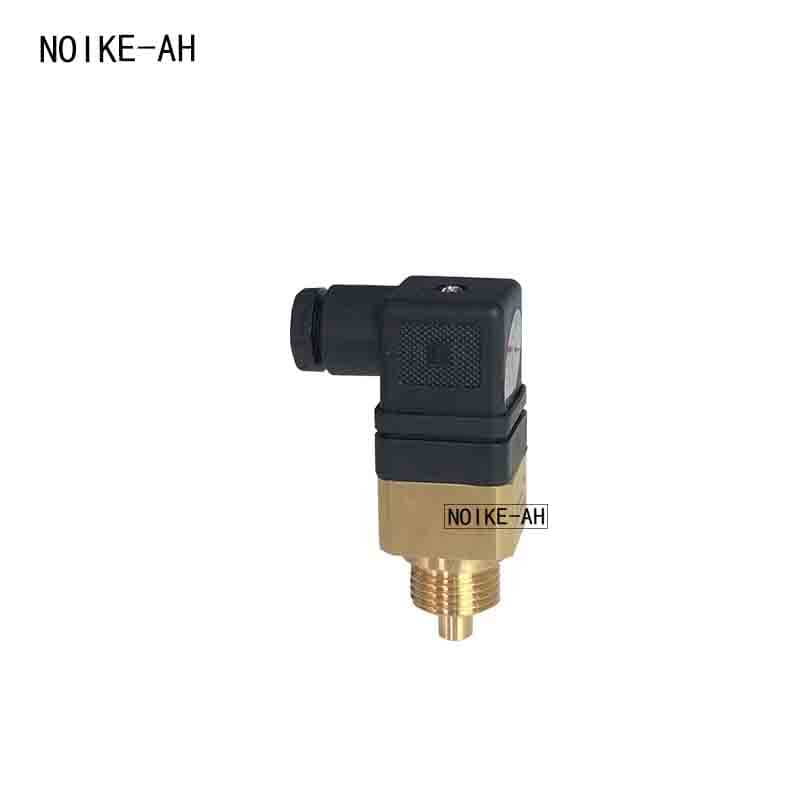
At the beginning of this year, we adopted a thermal conductivity flow switch. This device uses heating and sensing modules in its probe to detect flow changes based on the principle of heat being carried away by the flowing medium. When the cooling water flow drops below the set threshold, it immediately triggers an alarm and links to the control system to adjust the pump speed, ensuring stable flow.

The results were immediate. The system could now monitor flow in real time, preventing the risk of unit dry firing due to insufficient flow and extending equipment lifespan. By dynamically adjusting pump operations, energy consumption was reduced by 25%, saving approximately 150,000 yuan in annual electricity costs. Tenant complaints decreased significantly, and the building's comfort level improved noticeably.

With its high sensitivity and fast response, the thermal conductivity flow switch addresses the pain points of flow monitoring in HVAC systems, delivering substantial energy savings and equipment protection. Today, it has become the "smart guardian" of our system, making management easier and more efficient.

Our Story

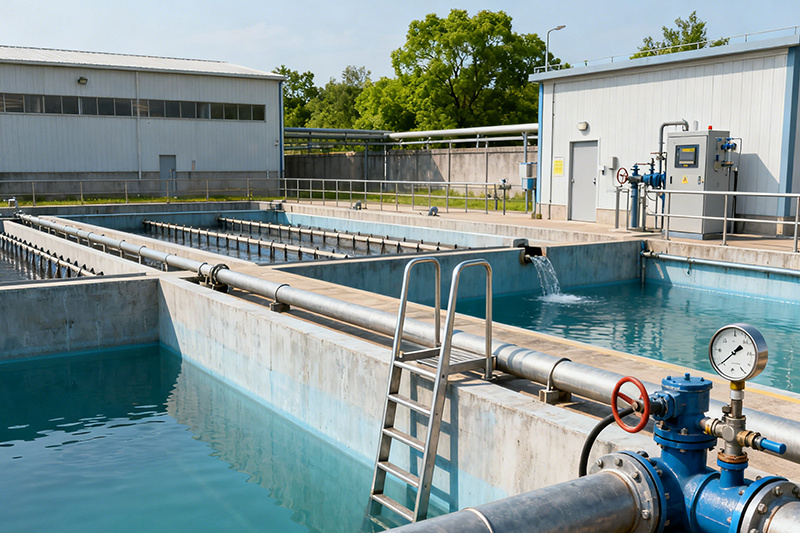
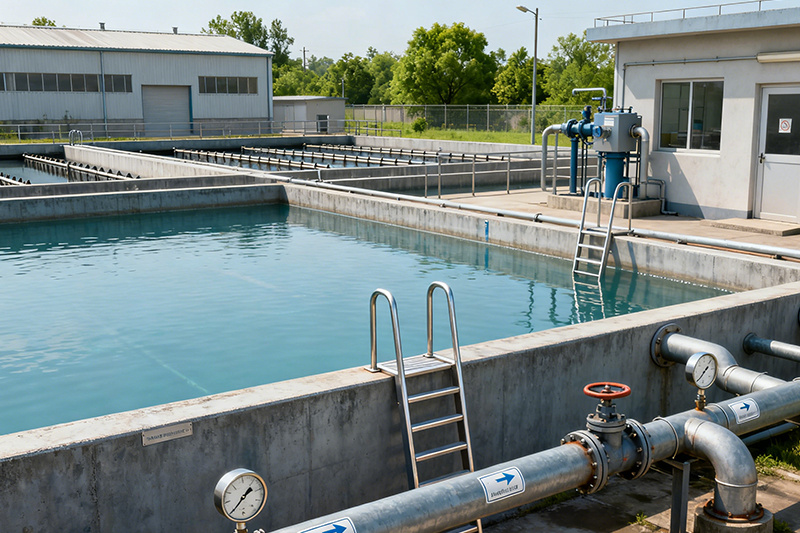
I am a maintenance worker at a waterworks plant, responsible for handling various water supply issues. A few years ago, the plant frequently received complaints from users about sudden spikes in water bills or inconsistent water flow, which was frustrating for everyone. At the time, we were still using old mechanical water meters, which required manual reading and were prone to large errors and malfunctions. Sometimes, the meters would get stuck and stop turning, but users would still be using water, leading to billing disputes. Other times, there would be pipe leaks, but the meters would show normal readings, wasting a significant amount of water.

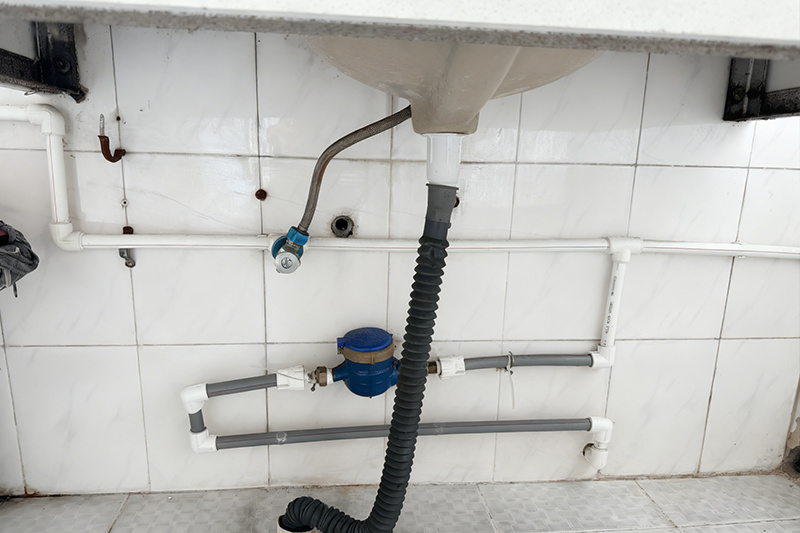
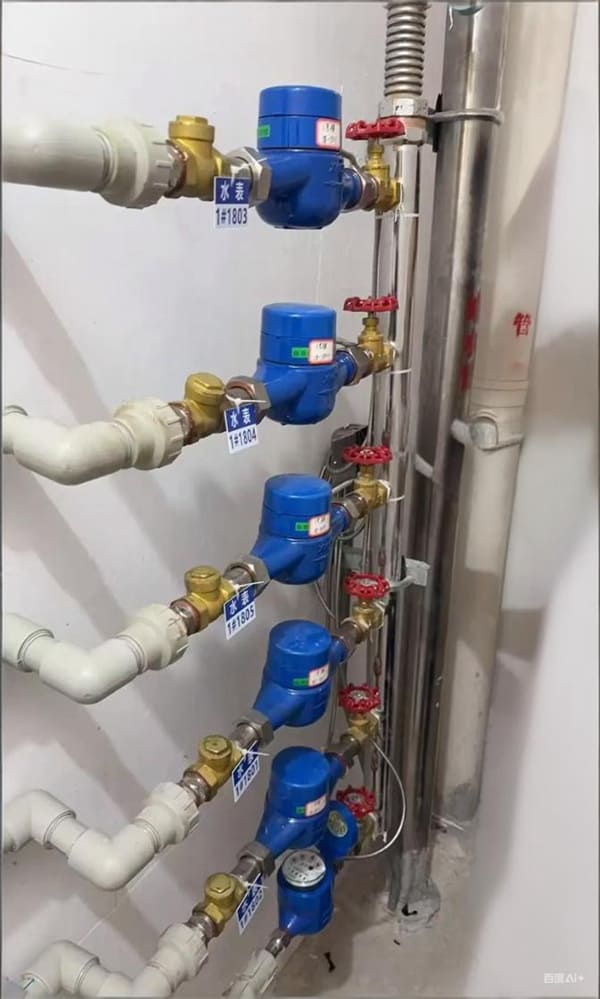
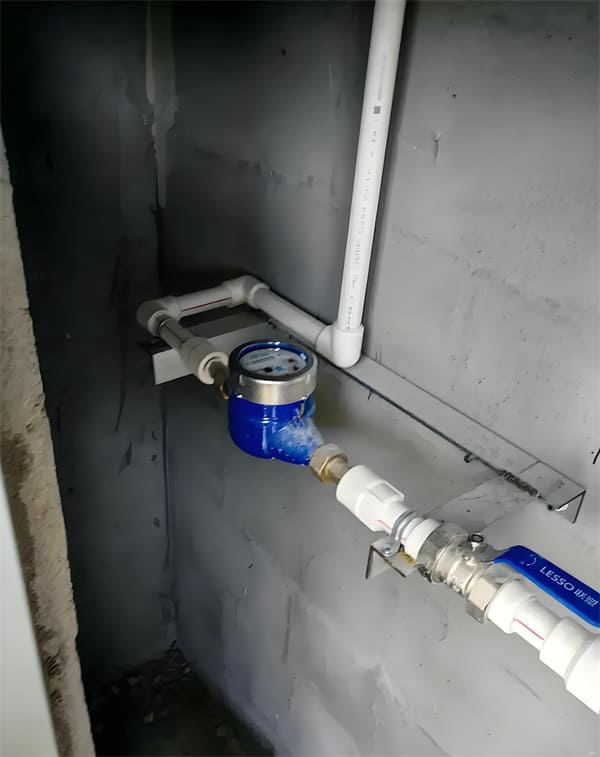
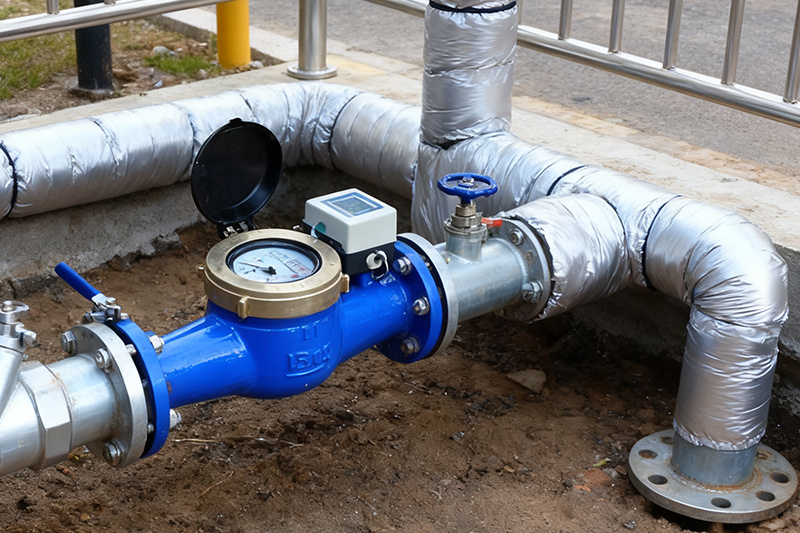
Later, the plant decided to upgrade the water supply system and installed smart water meters. These meters are compact and sophisticated, capable of monitoring water flow data in real time and transmitting it wirelessly back to the plant’s control center.
I'm Lin Feng, a facility manager for a large commercial complex. Last winter, our building's central air conditioning system experienced frequent malfunctions, with significant temperature fluctuations in multiple zones, surging energy consumption, and numerous tenant complaints. After troubleshooting, we identified the root cause: unstable cooling water flow, which reduced heat exchange efficiency, caused the units to frequently cycle on and off, and increased energy consumption by nearly 30%. The core issue was that the old mechanical flow switches couldn't accurately monitor low-flow cooling water, especially under variable loads. Their slow response time made it impossible to adjust pump operations in a timely manner. We urgently needed a solution that could monitor in real time and respond quickly. At the beginning of this year, we adopted a thermal conductivity flow switch. This device uses heating and sensing modules in its probe to detect flow changes based on the principle of heat being carried away by the flowing medium. When the cooling water flow drops below the set threshold, it immediately triggers an alarm and links to the control system to adjust the pump speed, ensuring stable flow. The results were immediate. The system could now monitor flow in real time, preventing the risk of unit dry firing due to insufficient flow and extending equipment lifespan. By dynamically adjusting pump operations, energy consumption was reduced by 25%, saving approximately 150,000 yuan in annual electricity costs. Tenant complaints decreased significantly, and the building's comfort level improved noticeably. With its high sensitivity and fast response, the thermal conductivity flow switch addresses the pain points of flow monitoring in HVAC systems, delivering substantial energy savings and equipment protection. Today, it has become the "smart guardian" of our system, making management easier and more efficient.

I still remember the first time we installed smart water meters—I was a bit worried that users might not adapt well. But the issues were resolved quickly. One user called to complain that their water bill had doubled and suspected the meter was faulty. When I arrived at the scene, I checked with my phone and found a pipe leak. The meter’s data clearly showed the time and amount of water lost. The user was convinced and promptly had the pipe repaired. The precise monitoring of smart meters not only reduced disputes but also helped us detect and fix leaks early, saving a lot on water costs.

What surprised me even more was that smart meters also allow for remote control. Once, the plant received a report of abnormal water pressure in a certain area, possibly indicating a pipe burst. Sitting in my office, I checked the meter data on my computer, quickly located the problem area, and remotely closed the valve in that zone, preventing a larger-scale water outage. In the past, I would have had to carry tools and run around the entire area, which was time-consuming and labor-intensive. Now, smart meters have made our work much easier and more efficient.

More images
I'm Lin Feng, a facility manager for a large commercial complex. Last winter, our building's central air conditioning system experienced frequent malfunctions, with significant temperature fluctuations in multiple zones, surging energy consumption, and numerous tenant complaints. After troubleshooting, we identified the root cause: unstable cooling water flow, which reduced heat exchange efficiency, caused the units to frequently cycle on and off, and increased energy consumption by nearly 30%. The core issue was that the old mechanical flow switches couldn't accurately monitor low-flow cooling water, especially under variable loads. Their slow response time made it impossible to adjust pump operations in a timely manner. We urgently needed a solution that could monitor in real time and respond quickly. At the beginning of this year, we adopted a thermal conductivity flow switch. This device uses heating and sensing modules in its probe to detect flow changes based on the principle of heat being carried away by the flowing medium. When the cooling water flow drops below the set threshold, it immediately triggers an alarm and links to the control system to adjust the pump speed, ensuring stable flow. The results were immediate. The system could now monitor flow in real time, preventing the risk of unit dry firing due to insufficient flow and extending equipment lifespan. By dynamically adjusting pump operations, energy consumption was reduced by 25%, saving approximately 150,000 yuan in annual electricity costs. Tenant complaints decreased significantly, and the building's comfort level improved noticeably. With its high sensitivity and fast response, the thermal conductivity flow switch addresses the pain points of flow monitoring in HVAC systems, delivering substantial energy savings and equipment protection. Today, it has become the "smart guardian" of our system, making management easier and more efficient.

Table of Contents